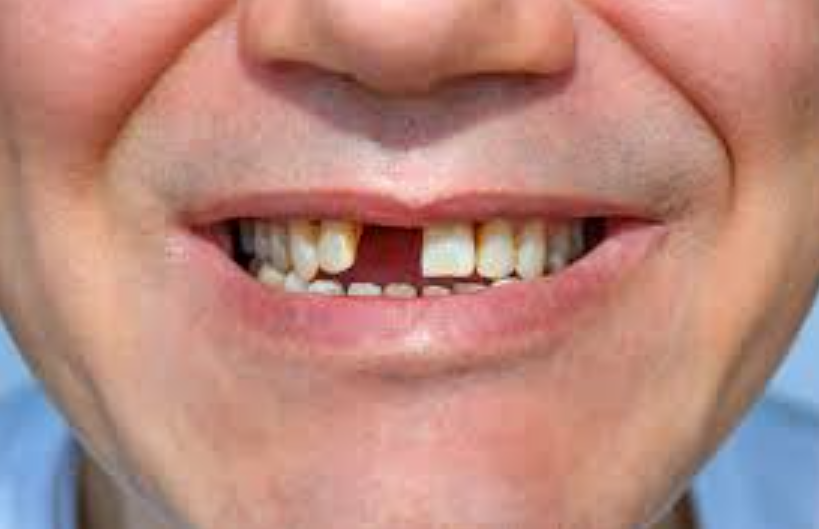
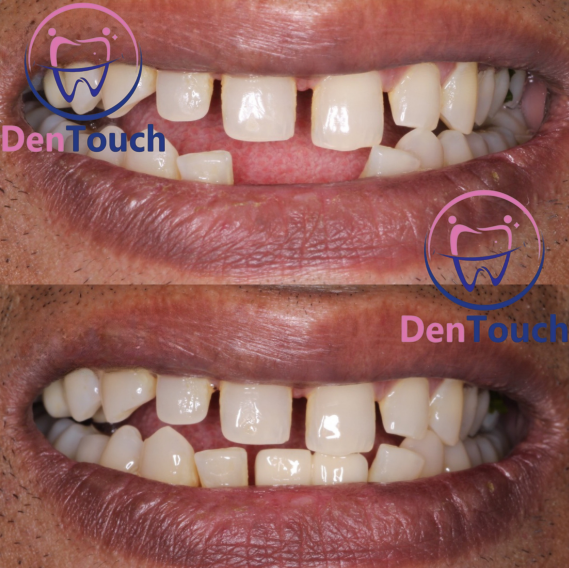
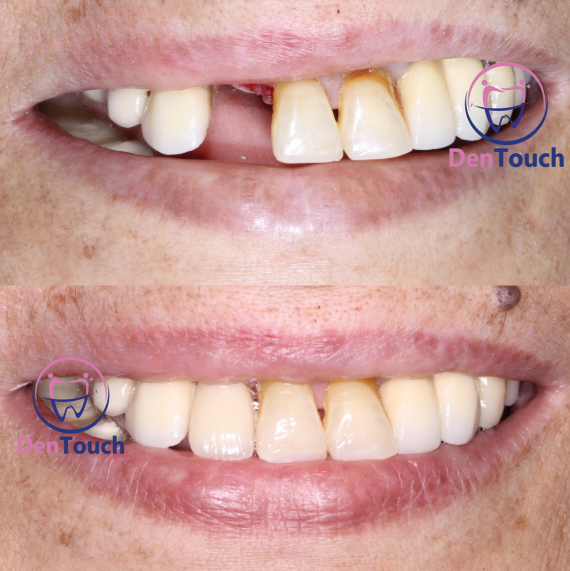
Missing teeth Missing TeethLosing teeth due to decay or gum disease is quite common. However, if missing teeth are not replaced, it can lead to several issues, including:Disruption of the natural alignment of remaining teethChanges in the biteShifting of nearby teeth into the gapFood getting trapped in the spaces between teethIncreased risk of decay in adjacent teethDifficulty in chewing food properlyA negative impact on appearanceFor these reasons, it is important to replace missing teeth.What are the treatment options for replacing missing teeth?There are two main approaches to replacing missing teeth:Removable options (such as dentures)Fixed options (such as bridges or dental implants)What are the removable options for replacing missing teeth? Removable methods include:Acrylic DentureFlexible DentureCast Partial DentureMetal DentureTooth-Supported OverdentureImplant-Supported Overdenture So many options! How do I know which tooth replacement method is right for me?Choosing the most suitable method for replacing missing teeth depends on several factors, including:The number of missing teethThe location of the missing teethThe condition of the remaining teethThe amount of jawbone availableThe overall health of the patientWhether the patient prefers a removable or fixed solutionBudget and financial considerationsA dental professional will evaluate these factors and help you select the most appropriate treatment option for your needs. Book An Appointment Book Now